
Gurgaon is home to a large number of global capability centres, regional headquarters and enterprise delivery teams. For these organisations, the office decision is not a small facilities task. It affects hiring plans, security compliance, cost per seat over many years, and how quickly the team can scale.
This guide explains how to size space for a GCC or large team, the difference between ready, build-to-suit and bare shell options, how to choose a location, the infrastructure to verify, and the lease terms that matter most. For smaller teams, see our guides to managed office vs coworking and fully furnished offices.
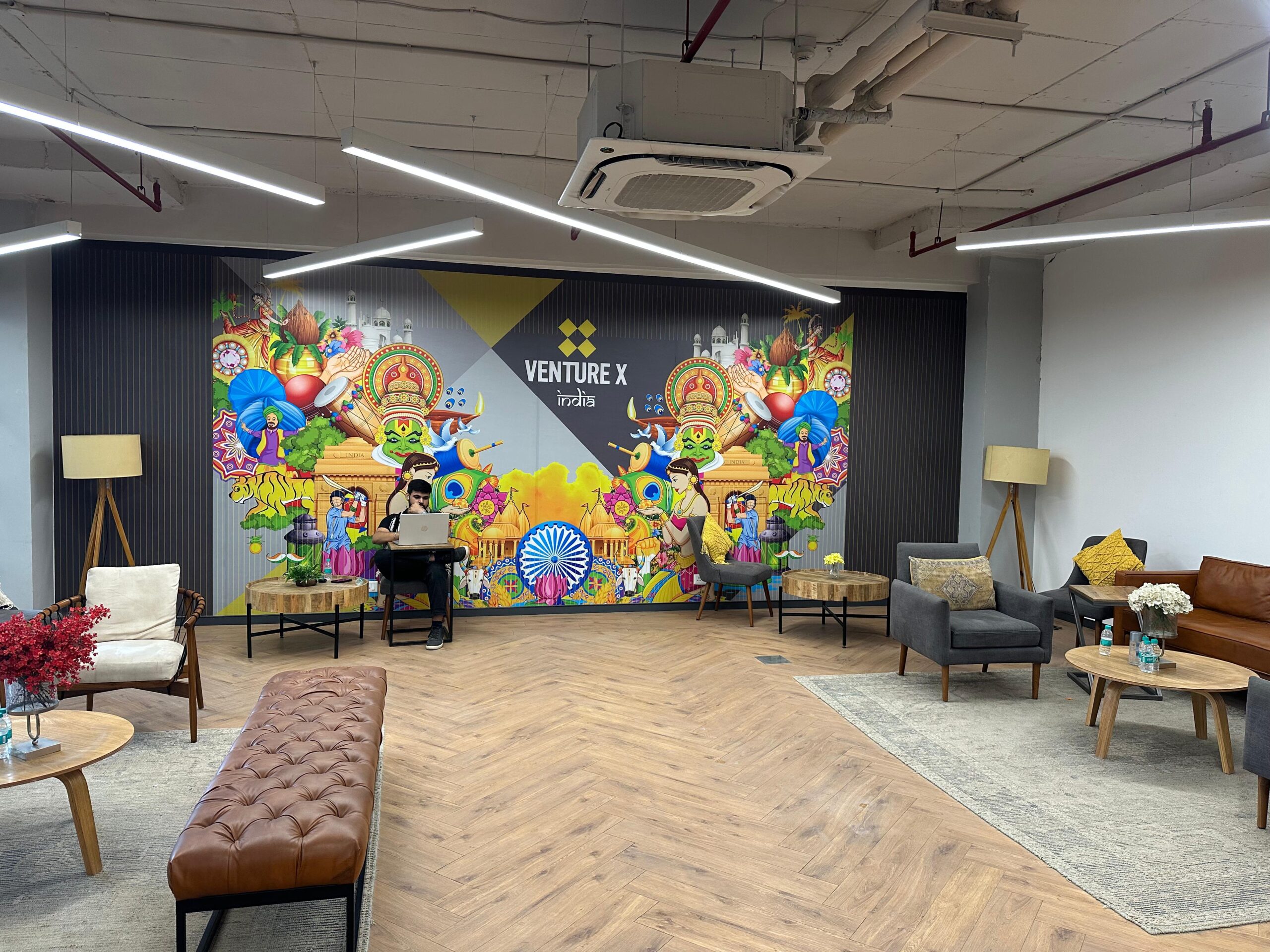
What a GCC needs from an office
- Scale: Space for hundreds or thousands of seats over time, in one or more floors.
- Resilience: Redundant power, internet links and backup for critical systems.
- Security: Controlled access, CCTV, secure zones and compliance with client and group policies.
- Flexibility: Room to add or reduce space in phases, without moving the whole team.
- Experience: Good lifts, washrooms, pantry and amenities that help hiring and retention.
- Presence: A building and address that match the company's brand.
How to size the space
Start with a seat plan, not a square footage guess. Build it in four steps:
- Headcount by function. List teams, roles and planned hires for the next 3 to 5 years.
- Seat type. Decide the mix of assigned desks, shared desks, hot desks, focus rooms and leadership offices.
- Support space. Add meeting rooms, training rooms, pantry, lockers, server or IT rooms and reception.
- Growth buffer. Plan for a buffer of additional seats and a clear expansion option in the same building.
Teams often plan for 70 to 80 percent of the seat count to be used at any one time, but the right planning ratio depends on your work patterns and hybrid policy. Test the assumption with your HR and operations teams before you commit.
Ready, build-to-suit or bare shell
Ready-built floors
- Best for
- Teams that need to move in quickly with a standard layout
- Trade-off
- Less control over layout, but faster and lower upfront cost
Build-to-suit
- Best for
- Large teams with specific layout, security or infrastructure needs
- Trade-off
- Longer timeline and a larger commitment, usually with the landlord or developer
Bare shell (warm shell)
- Best for
- Enterprises that want full design control and have a fit-out budget
- Trade-off
- Highest setup effort and time to occupation
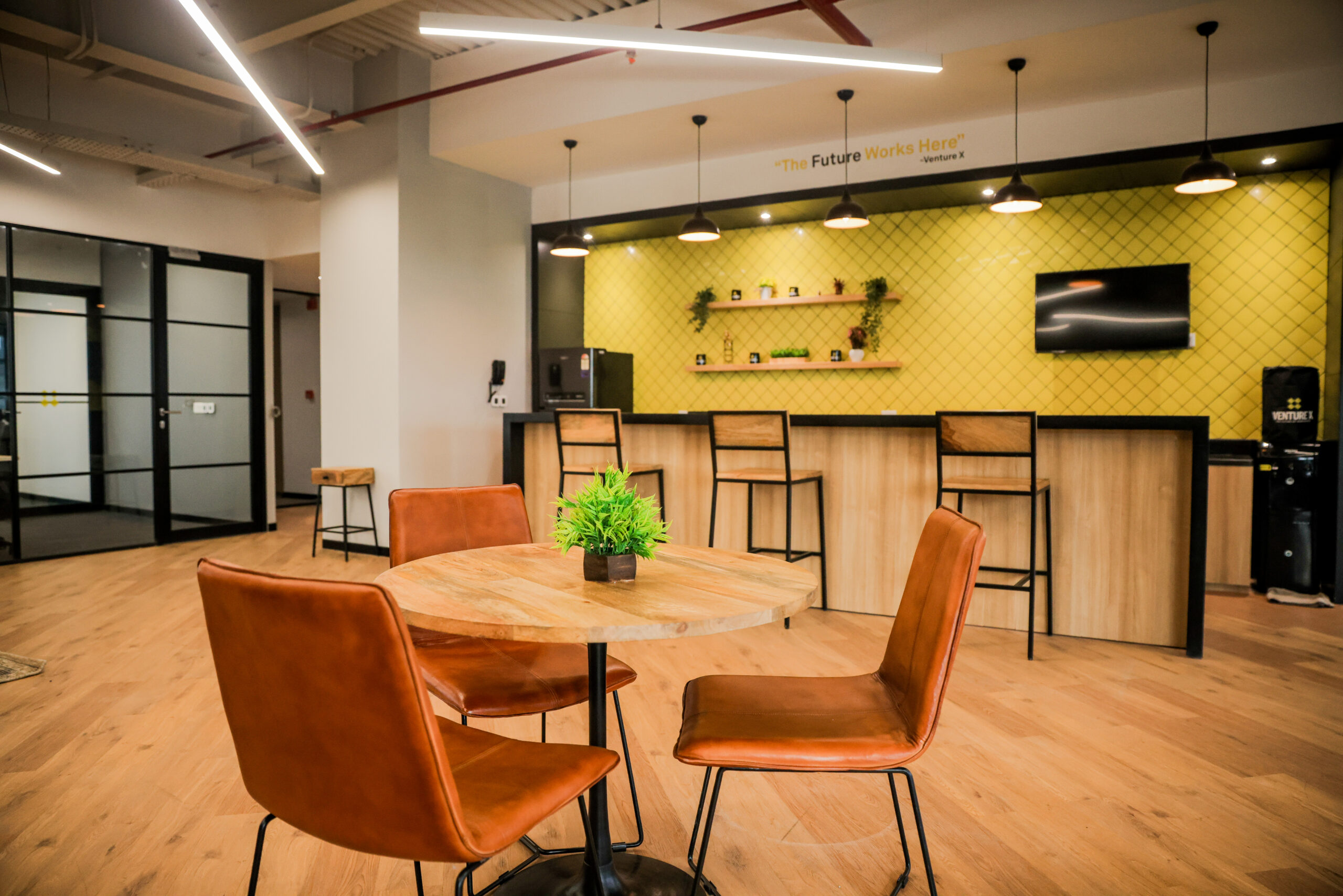
Choosing the location
Choose the location based on talent access, client proximity, commute for your target hires, and cost. Gurgaon has several office corridors, each with a different profile:
- Cyber City: Strong technology talent pool and ecosystem. See our Cyber City guide.
- Golf Course Road: Strong address and premium surroundings, suited to leadership and client-facing teams. See our Golf Course Road guide.
- Sohna Road: More space for the money and newer development in some stretches. See our Sohna Road guide.
Test the commute for your target hire pool at peak hour. A location that looks central on a map can be hard for the team to reach at 6 pm.

Power, internet and security
- Power load: Confirm the total load the building can supply to your floors, and whether it can increase later.
- Backup: Confirm generator capacity, switchover time and the backup duration for critical systems.
- Internet: Ask which carriers serve the building, whether there are two diverse entry points, and what capacity is available.
- Riser and cabling: Check the space for cabling and whether the building allows your IT team to install it.
- Cooling: Confirm air conditioning capacity for server rooms and 24 by 7 operations.
- Security: Check access control, CCTV coverage, guard coverage and any restricted zones.
- Fire safety: Ask for the fire safety certificate, exit plans and alarm systems.
- Lifts: Check the number and capacity of lifts for peak arrival times.
Total cost per seat
The lowest rent per square foot is rarely the lowest total cost. Build a cost model over the full lease with these items:
| Cost item (method only) | Option A: Ready floor | Option B: Build-to-suit | Option C: Bare shell |
|---|---|---|---|
| Base rent over the term | Quote | Quote | Quote |
| Maintenance and common charges | Quote | Quote | Quote |
| Power and backup charges | Estimate | Estimate | Estimate |
| Fit-out and setup cost | Estimate | Estimate | Estimate |
| Downtime or move-in delay cost | Estimate | Estimate | Estimate |
| Parking and visitor costs | Quote | Quote | Quote |
| Total cost over the term | |||
| Total cost per seat per year | Total divided by seats and years | Total divided by seats and years | Total divided by seats and years |
Include the cost of delay. If a bare shell takes six months longer to occupy, the cost of running the team elsewhere can outweigh any saving on rent.
Lease strategy and negotiation
For a large enterprise, the lease is a long-term strategic document. Negotiate these points before you sign:
- Expansion rights: Options to add space in the same building, with rates and timing fixed in advance.
- Contraction or sublet rights: Ability to reduce or sublet space if the plan changes.
- Power upgrade terms: Who pays for extra load, how long it takes and whether the rate is fixed.
- Rent-free and fit-out support: Free months or fit-out allowances that reduce the upfront cost.
- Escalation: A fixed escalation rate for the full term, with no open-ended increases.
- Repairs and maintenance: Clear responsibility for lifts, electrical systems, HVAC and structure.
- Exit terms: Lock-in, notice period, early exit penalties and deposit refund conditions.
- Signage and branding: Rights to signage at the entrance and on floors.
Rule: Ask the landlord to put every promise in the lease schedule. Verbal assurances about power, expansion and fit-out are hard to enforce later.
Steps to find and sign
- Build the seat plan for the next 3 to 5 years, with growth and support space.
- Set the location shortlist based on talent, clients and commute.
- Decide the format: ready floor, build-to-suit or bare shell.
- Request technical specifications for power, internet, cooling, lifts and security.
- Build the total cost model over the full term and compare cost per seat.
- Visit with IT, facilities and security teams and test the infrastructure claims.
- Verify the building with ownership documents, approvals, fire certificates and, for projects, Haryana RERA registration on the Haryana RERA portal.
- Negotiate the lease schedule, including expansion, power, fit-out and exit terms.
- Plan the move with a phased timeline, IT cutover and vendor onboarding.
Common mistakes to avoid
- Sizing for today's headcount and having no room to grow.
- Comparing rent only and missing power, fit-out and delay costs.
- Accepting verbal power or internet promises that are not in the lease schedule.
- Skipping the infrastructure visit with the IT and security teams.
- Ignoring exit terms, which can make a restructuring expensive.
- Underestimating the move and the time needed for IT cutover.
Frequently asked questions
How much space does a GCC need in Gurgaon?
It depends on headcount, seat mix and growth plans. Build a seat plan that includes assigned and shared seats, meeting rooms, support areas and a growth buffer, then convert it to square footage with your architect or space planner.
Is a bare shell cheaper than a ready floor?
Not always. A bare shell can cost less in rent, but the fit-out, setup time and delay can raise the total cost. Compare total cost per seat over the full lease.
Which area is best for a GCC?
It depends on the talent pool, client location and budget. Cyber City is known for technology talent, Golf Course Road for premium presence, and Sohna Road for more space for the money. Test the commute for your target hires.
What power and internet checks are essential?
Confirm the building's total power load, backup capacity and switchover time, internet carriers and diverse entry points, cooling capacity for server rooms, and lift capacity for peak arrivals.
Can a GCC expand within the same building?
Often yes, if the lease includes an expansion right. Confirm the space, timing, rate and escalation in writing before you sign.
How long is a typical enterprise lease?
Enterprise leases often run for several years, with a lock-in and notice period. Negotiate exit terms carefully, since the lease can be a long commitment.
Who pays for power upgrades?
It varies. Some landlords charge for upgrades, others share the cost. Confirm who pays, how long it takes and the rate, in the lease schedule.
Should I verify the building before signing?
Yes. Ask for ownership documents, approvals, the fire safety certificate and maintenance contracts. For projects, check Haryana RERA registration.
Planning a GCC or large office in Gurgaon?
Share your seat plan, timeline and preferred areas. We will shortlist buildings, share a total cost model and arrange a visit with your IT and facilities teams.
Request shortlist and visit View our solutions
