

Unlock your freelance potential! Our comprehensive guide covers every step to become a successful freelancer, from identifying skills and setting rates to finding clients and managing your business. Optimized for SEO and local opportunities, start your flexible career today!
A strong freelancing career begins with clarity. Before choosing platforms or pitching clients, freelancers must understand what they can offer and how they stand out.
Start by writing down all your hard and soft skills—technical abilities, communication strength, past job experience, and even hobbies. Many high-earning freelancers build services around skills they didn’t initially consider “professional.”
According to Fiverr Workspace’s 2024 Freelance Insights Report, 62% of freelancers who documented their skills and niche grew faster than those who didn’t.
Source: https://www.fiverr.com/resources/guides/workspace-report-2024
Specialization helps you stand out in a crowded market. Instead of offering broad services like “writing” or “design,” define a niche such as:
Upwork’s 2024 Talent Report shows niche specialists earn 40–60% more than generalists.
Source: https://www.upwork.com/research/talent-report-2024
A quick SWOT assessment helps you understand where you are strong and where you may need improvement:
Reference: https://www.bcg.com/publications/2023/future-of-freelancing-in-india
Translate your skills into service packages clients understand. For example:
HubSpot notes that clear service descriptions can increase conversions by up to 35%.
Source: https://blog.hubspot.com/marketing/service-positioning
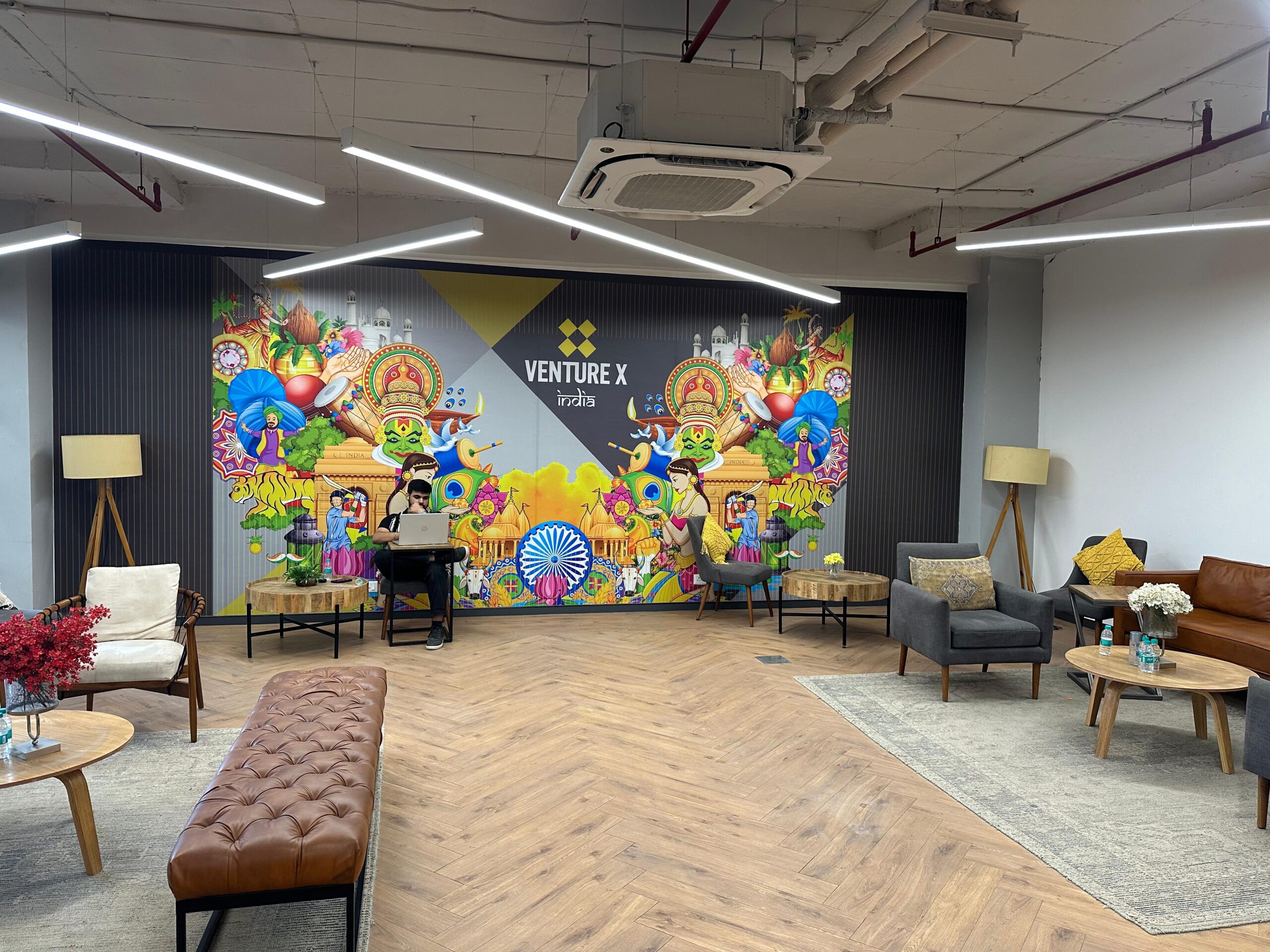
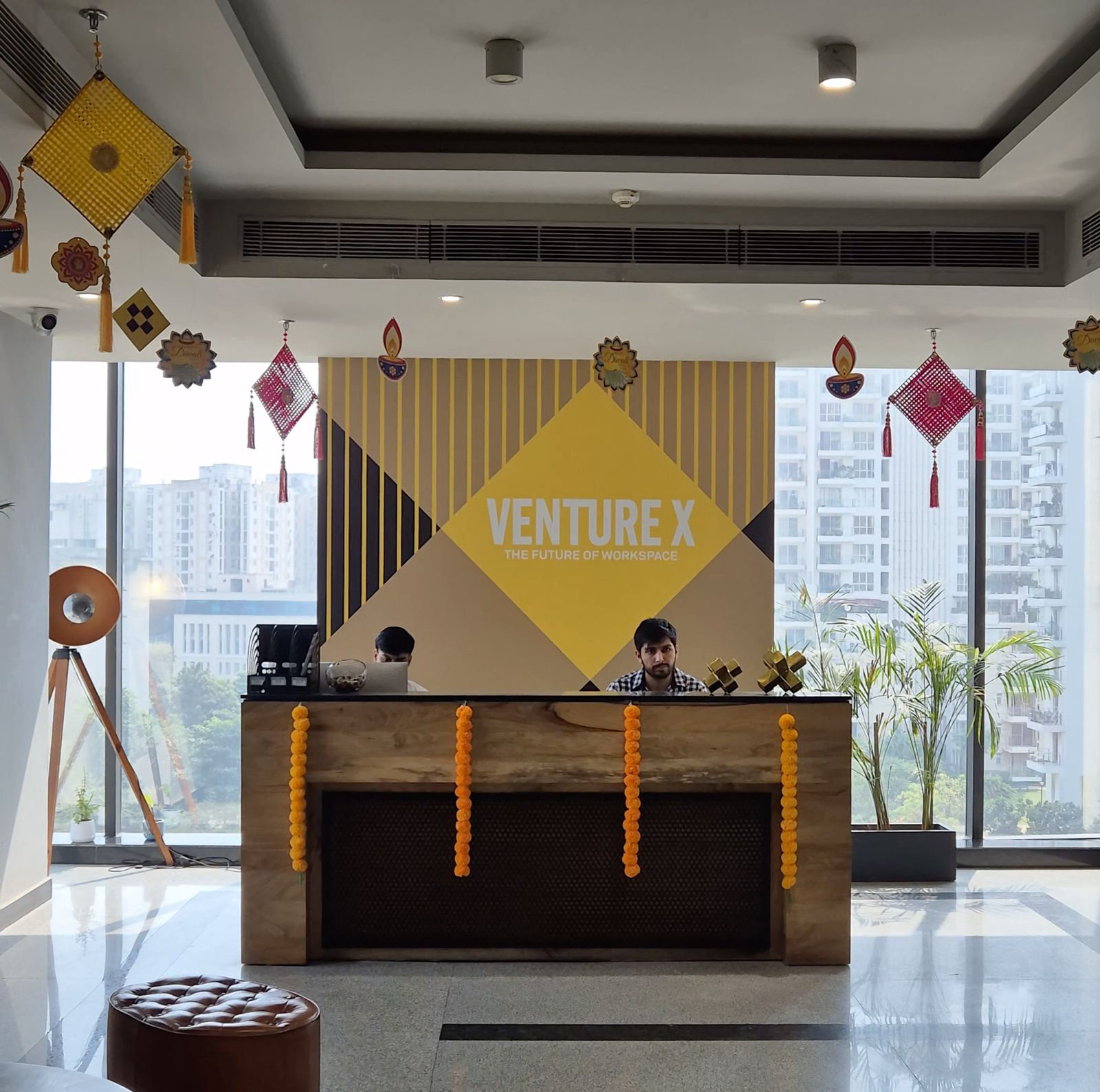
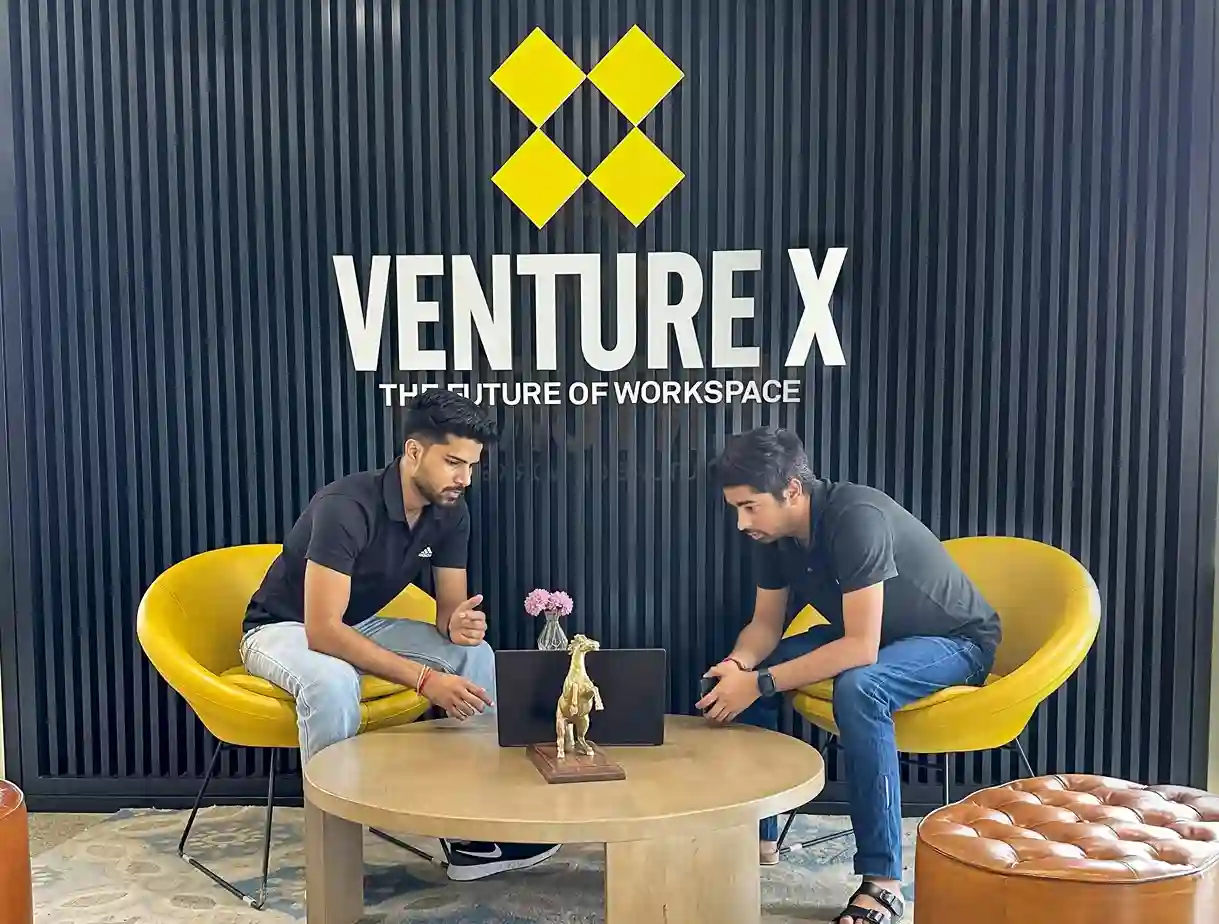
Freelancers who want a professional environment often choose flexible coworking spaces to stay productive. Modern workspaces like Venture X India offer private offices, meeting rooms, and high-focus environments ideal for independent professionals.
Explore: https://venturexindia.com/

A solid business foundation helps freelancers operate professionally, avoid legal issues, and scale sustainably. Treating freelancing like a real business increases credibility and improves client trust.
Start by describing what you offer, who you help, and why clients should choose you. A unique value proposition (USP) makes your services more memorable and easier to market.
Example:
“I help small businesses improve their visibility through SEO-driven content and localized marketing strategies.”
According to HubSpot’s 2024 Marketing Trends Report, brands with a clearly defined USP see up to 28% higher client retention.
Source: https://www.hubspot.com/state-of-marketing
A consistent work environment boosts focus and reliability. Whether at home or in a coworking space, ensure it supports long hours, meetings, and uninterrupted workflow.
Many freelancers prefer coworking environments for better structure and networking. Workspaces like Venture X India provide private offices and meeting rooms that help maintain a professional routine:
https://venturexindia.com/
Setting up the correct business structure protects your assets and ensures compliance.
Common options include:
Freelancers should consult a chartered accountant or legal advisor to understand tax implications and required local permits.
Stat: According to India’s Ministry of Corporate Affairs, LLC/OPC registrations grew 12.5% in 2024, driven by freelancers formalizing their businesses.
Source: https://www.mca.gov.in/
Separating personal and business finances makes bookkeeping easier and improves transparency.
A dedicated account helps track payments, expenses, taxes, and reduces financial errors.
A QuickBooks study found that freelancers who separated finances saved an average of 15 hours per month in bookkeeping.
Source: https://quickbooks.intuit.com/blog/bookkeeping-statistics/
Insurance may not be mandatory everywhere, but it can protect against unexpected claims:
According to Insureon’s 2024 report, 28% of freelancers experienced a client-related legal or financial issue, making insurance a smart long-term investment.
Source: https://www.insureon.com/insureon-report
Your online presence is your modern-day storefront. A strong digital identity helps clients evaluate your expertise, verify your credibility, and compare you with competitors. In freelancing, your visibility often determines your income.
A website gives you full control over your brand, services, portfolio, and client communication. Use platforms like WordPress, Wix, or Squarespace to create fast, clean, SEO-optimized pages.
Key elements to include:
According to a WebFX report, 75% of users judge a business’s credibility based on its website.
Source: https://www.webfx.com/blog/web-design/website-trust-statistics/
When you eventually want to work from a professional environment, modern offices like Venture X India offer private workspaces ideal for freelancers building a brand presence:
https://venturexindia.com/
Your website should be supported by strong profiles on platforms relevant to your niche:
A strong LinkedIn presence matters: LinkedIn reports that profiles with complete information get 21x more views and 36x more messages.
Source: https://www.linkedin.com/business/marketing/blog
Your portfolio should highlight not just what you did, but the impact of your work. For each project, include:
If you’re new, well-designed speculative (practice) projects are acceptable—they showcase your potential and creative approach.
A UX Collective survey shows clients spend 60% of their decision-making time evaluating portfolios.
Source: https://uxdesign.cc/portfolio-statistics-and-insights-2024
Testimonials, reviews, and case studies dramatically improve your credibility. Include:
According to BrightLocal’s 2024 Consumer Review Survey, 87% of people trust online reviews as much as personal recommendations.
Source: https://www.brightlocal.com/research/local-consumer-review-survey/

Setting your rates strategically and managing money responsibly are two of the biggest factors that determine whether a freelancer thrives long-term. Your pricing reflects your skill, market demand, and the value clients receive—while your financial discipline ensures stability and growth.
1. Choose the Right Pricing Model
Freelancers commonly use three pricing structures, each suited for different types of work:
• Hourly Rate
Ideal for ongoing or flexible tasks. Calculate it based on your desired annual income, number of billable hours, taxes, and operational costs.
• Project-Based Rate
A fixed fee for a clearly defined scope. Estimate how long the project will take and add a buffer to cover revisions or unexpected workloads.
• Retainer-Based Rate
A monthly fee for ongoing services—best for long-term client relationships and predictable income.
According to the Freelancers Union 2024 Report, retainer clients increase income stability by up to 38%.
Source: https://www.freelancersunion.org/resources/research/2. Understand What Influences Your Rates
Your pricing should reflect real-world conditions. Consider:
- Your experience level
- Complexity of work
- Market demand for your niche
- Industry benchmarks
- GEO factors (e.g., rates differ in India, US, UK)
- Value delivered to the client
Upwork data shows specialized freelancers charge 200–400% more than generalists.
Source: https://www.upwork.com/research/3. Manage Your Finances Professionally
• Invoicing
Use reliable tools like Zoho Books, PayPal Invoicing, or QuickBooks.
A clear invoice includes service details, timelines, payment terms, late fee policies, and accepted payment methods.• Tax Planning
Freelancers must track expenses, GST (if applicable), and pay quarterly estimated taxes.
Consulting a chartered accountant is recommended for local compliance.Stat: QuickBooks reports that nearly 50% of freelancers face tax issues due to poor record-keeping.
Source: https://quickbooks.intuit.com/blog• Budgeting & Savings
Allocate your income smartly:
- Operating expenses
- Taxes
- Personal expenses
- Emergency fund
- Retirement savings
A rule of thumb: Save at least 15–20% of income for taxes and 10% for emergencies.
• Profitability Tracking
Regularly analyze income vs. expenses to evaluate business health. Tools like Notion, Excel, or budgeting apps work well.
Natural Internal Note
Many freelancers manage finances better when working from a structured environment. Professional coworking spaces—like Venture X India—provide meeting rooms, stable internet, and a business-friendly setup that supports billing and client communication reliably.
https://venturexindia.com/
Finding your first clients is often the hardest stage of freelancing, but with the right strategy, you can build momentum quickly. A combination of online platforms, networking, and value-driven outreach helps establish early credibility and consistent work.
Start with trusted platforms like Upwork, Fiverr, Toptal, Freelancer.com, and Guru. Create strong profiles, write tailored proposals, and showcase early portfolio pieces.
A 2024 Upwork survey found that 41% of freelancers got their first client through online platforms.
Source: https://www.upwork.com/research
Networking remains one of the fastest ways to find clients.
LinkedIn reports that 85% of opportunities come from networking.
Source: https://www.linkedin.com/pulse/linkedin-networking-statistics
Coworking spaces also help freelancers meet potential clients naturally. In India, spaces like Venture X India offer access to professionals, startups, and entrepreneurs who frequently collaborate with freelancers:
https://venturexindia.com/
Cold emailing works—when done personally.
Focus on:
Mailshake’s outreach study shows personalized emails receive 82% higher replies than generic messages.
Source: https://mailshake.com/blog/outreach-statistics/
Many local businesses lack digital marketing, design, or tech support—and they prefer hiring freelancers over agencies.
Visit or contact:
A Google Small Business study found that 32% of small businesses hire freelancers for digital work.
Source: https://smallbusiness.withgoogle.com/
If you’ve done a project—big or small—ask for:
BrightLocal’s 2024 survey shows 87% of people trust referrals and reviews as much as personal recommendations.
Source: https://www.brightlocal.com/research/local-consumer-review-survey/
Publish content showcasing your expertise:
According to Demand Metric, content marketing generates 3× more leads than traditional methods.
Source: https://www.demandmetric.com/content-marketing-statistics
For your first 1–3 clients, discounted or sample work can help build:
Just ensure you set boundaries and choose projects that strengthen your niche.
Strong communication and organized project management are what separate successful freelancers from those who struggle with client retention. Clear expectations, structured workflows, and professional boundaries help build long-term relationships and repeat business.
Great freelancers don’t just respond—they anticipate.
Key practices:
A Zendesk CX report found that 70% of clients value proactive communication more than fast delivery alone.
Source: https://www.zendesk.com/customer-experience-trends/
Establishing expectations early prevents scope creep and confusion.
Use:
Freelancers who set expectations clearly are 52% more likely to receive repeat work (FreshBooks Freelance Report 2024).
Source: https://www.freshbooks.com/research
Tools simplify work, especially when handling multiple clients.
Popular options:
Using project management tools can increase productivity by up to 25%, according to McKinsey.
Source: https://www.mckinsey.com/featured-insights
Working from a structured environment also boosts discipline. Many freelancers prefer coworking setups like Venture X India, where meeting rooms and quiet zones support effective project management:
https://venturexindia.com/
Ask clients for clear, structured feedback and let them know what’s included in their revision package. Stick to the number of revisions defined in the SOW.
Remember:
Some client issues are unavoidable. When challenges arise:
Harvard Business Review notes that freelancers who document workflows face 40% fewer disputes.
Source: https://hbr.org/
A contract protects both you and the client. It should include:
Have a legal expert review your template once—this ensures long-term safety.
Sustaining a freelancing career requires more than delivering great work—you need ongoing marketing, consistent visibility, and scalable systems. These strategies help reduce income instability and position you as a long-term professional rather than a one-off service provider.
Publishing valuable content attracts qualified leads and demonstrates expertise.
Options include:
Demand Metric reports that content marketing generates 3× more leads at 62% lower cost compared to traditional methods.
Source: https://www.demandmetric.com/content-marketing-statistics
Choose platforms that align with your niche:
Sprout Social’s 2024 Index found that 68% of consumers follow brands/freelancers to stay informed, not just entertained.
Source: https://sproutsocial.com/insights/data/
Consistency > virality.
Even as a solo freelancer, building a small email list is powerful. Use it for:
HubSpot reports that email marketing has an average ROI of 3800%—one of the highest in digital marketing.
Source: https://www.hubspot.com/marketing-statistics
Optimize your website and portfolio for:
SEO creates long-term inbound traffic and credibility.
Freelancers working from professional environments—like coworking spaces—often produce more consistent SEO content due to structured work routines. Modern workspaces such as Venture X India offer quiet zones ideal for content creation:
https://venturexindia.com/
Once you have a portfolio and conversion-optimized website, paid ads can accelerate visibility.
Options include:
Meta’s ads data shows that retargeting ads can increase conversions by up to 70%.
Source: https://www.facebook.com/business/ads
Growth comes from systems, not endless hours.
Scaling options:
According to the Freelancers Union, freelancers who outsource tasks earn 25% more on average because they focus on high-value work.
Source: https://www.freelancersunion.org/resources/research/
Freelancing offers the freedom to design your own career—but it also comes with unique pressures. Understanding both sides of the lifestyle helps you prepare mentally, avoid burnout, and build a sustainable long-term path.
Freelancers face a set of predictable—but manageable—obstacles:
A Payoneer survey found that 53% of freelancers struggle with income inconsistency, and 42% report feeling isolated at times.
Source: https://blog.payoneer.com/freelancing/freelancer-insights-2023/
Despite the challenges, many freelancers choose this path for the freedom it provides.
Benefits include:
Upwork’s Freelance Forward Report shows that 78% of freelancers prefer freelancing over traditional employment due to flexibility and control.
Source: https://www.upwork.com/research
Burnout is common when boundaries aren’t set. Protecting your physical and mental health is key to long-term success.
Practical strategies:
The American Psychological Association notes that structured breaks increase productivity by up to 30%, highlighting the value of intentional rest.
Source: https://www.apa.org/topics/burnout
A dedicated workspace also contributes to better focus and healthier routines. Many freelancers rely on professional environments like Venture X India to separate work from home and maintain structure:
https://venturexindia.com/
To evolve from a freelancer into a full-fledged entrepreneur, you must focus on scaling your operations, diversifying revenue streams, and elevating your position as an expert in your niche.
As your freelance career matures, specialization becomes your strongest asset.
Relying solely on client work limits your earning potential and increases financial risk. Diversification builds stability and long-term scalability.
Scaling your revenue requires scaling your resources.
Automation helps reduce manual workloads and improves consistency across the business.
To grow sustainably, established freelancers must think like entrepreneurs, not contractors.
Brand Development: Refine your personal brand, messaging, and market positioning as you scale.
Freelancing is more than a career path—it’s a dynamic, empowering way to design your own life. It offers autonomy, flexibility, and limitless opportunity, but it also requires clarity, discipline, and continuous growth. Your success ultimately depends on how well you understand yourself, plan strategically, execute with consistency, and evolve with changing market demands.
This complete roadmap has equipped you with everything you need to build, grow, and scale a thriving freelance career:
To truly thrive in the freelance ecosystem:
The future of work is shifting rapidly, rewarding creativity, independence, and adaptability. Your freelance journey is uniquely yours—shape it with intention, fuel it with passion, and trust the process.
Yes. With hybrid work models dominating post-pandemic, coworking provides flexibility, cost savings, and access to community-driven growth. It’s increasingly seen as the future of workspace across industries.
Lower costs, zero setup hassles, faster scaling, and valuable networking make co-working spaces for startups an ideal choice.
The coworking space industry is rapidly expanding, especially in Asia. Trends include industry-specific hubs, green design, and AI-powered services.
Some leading names include Venture X India, WeWork, 91Springboard, Awfis, and Innov8 — each offering best flexible office space brands with localized amenities.
The world of work is undergoing a seismic shift. Traditional 9-to-5 jobs are giving way to a new paradigm of flexibility, autonomy, and entrepreneurship. At the heart of this revolution is freelancing, a career path that empowers professionals to take control of their destiny. In India, a nation renowned for its vibrant talent pool, freelancing is not just a trend; it’s a powerful economic force.
If you’ve ever wondered how to become a freelancer and build a successful, sustainable career, you’ve come to the right place. This comprehensive guide, crafted with the expertise of Venture X India, will walk you through every step of the journey, from your first idea to your first client, and beyond. We’ll explore how to get started, the skills you need, and how to create an environment that fosters your success, right here in the bustling hub of Gurugram.
Before we dive into the “how,” let’s understand the “why.” What makes freelancing such a compelling option, particularly in the Indian market? The gig economy is booming, and data underscores its incredible potential.
This data paints a clear picture: the future of work is flexible, and the opportunity to become a freelancer in India has never been greater.
So, how do I become a freelancer? It’s not a single leap but a series of calculated steps. Think of it as building your own mini-business.
This is the foundational step. What are you an expert in? Your skills, be it graphic design, content writing, programming, digital marketing, or consulting, are your core product. Don’t try to be a jack-of-all-trades. Instead, focus on a specific niche. For example, instead of just “writing,” specialize in “SEO content writing for B2B SaaS companies.” This specificity builds your authority and makes you more attractive to clients. Create portfolio samples that demonstrate your abilities. A great resource for this is the guide from Upwork, which emphasizes defining your service and offering as the first critical step (Source: Upwork).
Your online presence is your digital storefront. It’s how potential clients will find you, evaluate your expertise, and decide whether to hire you.
Optimize for Search: Use your primary keyword, how to become a freelancer, in your website’s meta title, description, and key pages. This helps potential clients find you on search engines, building your Authoritativeness.
Determining your rates can be tricky. Research what others in your niche are charging. You can choose to charge per project, per hour, or on a retainer basis. Remember, your rates should reflect your expertise and the value you provide. Once you have a pricing structure, it’s time to find clients. The Razorpay article provides excellent insights into this process, suggesting platforms like Upwork and Fiverr, professional networking, and direct outreach (Source: Razorpay).
A great pitch is concise, professional, and focuses on the client’s needs, not just your skills. Highlight how you can solve their problem. For those wondering how to start freelancing with no experience, a strong pitch is even more crucial. As the Dropcapcopy guide suggests, cold-emailing local businesses can be a highly effective way to land your first few projects and build a portfolio (Source: Dropcapcopy).
While freelancing offers the freedom to work from anywhere, a dedicated workspace is non-negotiable for success. Working from home can lead to distractions and a blurred line between work and personal life. This is where the strategic choice of a coworking space can make all the difference.
For a transactional career, environment is everything. The shift from a home office to a professional space is the key to unlocking your full potential. In Gurugram, India’s leading business and tech hub, coworking spaces like Venture X India provide the perfect ecosystem for freelancers to thrive.
Venture X isn’t just a place to plug in your laptop; it’s a community designed for growth. Here’s how it enhances your freelance career:
Once you’ve set up your foundation, it’s time to master the daily art of working as a freelancer.
Becoming a freelancer is a journey of empowerment. It’s about taking ownership of your career and building a life on your own terms. While the path may seem challenging, with the right strategy and a supportive environment, it is incredibly rewarding.
As you embark on this exciting journey, remember that your workspace is more than just a place to work; it’s a launchpad for your dreams. A professional, inspiring, and well-connected environment like Venture X India provides the perfect foundation to help you thrive. Whether you are in Golf Course Extension, Silverton, City Centre, or Sector 29, our community and state-of-the-art facilities are here to help you turn your freelance aspirations into a successful, tangible reality.
To learn more and discover how Venture X India can support your freelance career, visit our website today.
Starting from home is a great way to begin. First, create a dedicated workspace that is free from distractions. Then, focus on building your portfolio and leveraging online platforms to find your first few clients. As you grow, consider the benefits of a coworking space for increased productivity and professional credibility.
For beginners, jobs that don’t require extensive portfolios are ideal. These include content writing, social media management, data entry, and virtual assistance. These roles allow you to build experience and a client base quickly.
Focus on creating a strong portfolio with sample projects. Offer your services at a lower rate initially to get testimonials. Networking with other freelancers and actively using platforms like Upwork and LinkedIn are also great ways to build your profile.
A freelance career is defined by flexibility and autonomy. You set your own hours, choose your projects, and are your own boss. However, it requires discipline, self-motivation, and a commitment to continuous professional development. The satisfaction of building your own business and working on projects you’re passionate about is incredibly rewarding.

Have questions? We’re here to help you find your perfect workspace at Venture X India. Drop us your details and we’ll get back to you shortly!