

⚠ Important Note: In 2026, office attendance is increasingly a choice rather than a mandate — particularly in knowledge-economy sectors like tech, finance, and consulting. In industries such as manufacturing, retail, and healthcare where stricter attendance is still required, the amenities in this guide do not remove that requirement but do make the experience significantly better.
The professional landscape has undergone a fundamental shift. With Gen Z now a substantial portion of the Indian workforce alongside Millennials, expectations for the physical workplace have evolved far beyond basic utility. The early tech-boom era of ping-pong tables and beanbag chairs is remembered as a gimmick. What today’s talent demands is functional value — spaces that enhance productivity, protect mental health, reflect ethical values, and justify leaving the comfort of a well-equipped home office.
At Venture X India, we design workspaces that blend the precision of a corporate headquarters with the warmth of a high-end social club. Based on that experience, here are the 15 amenities that genuinely move the needle for modern talent in 2026.
In 2026, the boundary between ‘remote’ and ‘in-office’ has collapsed into a single unified workflow. The office must be as technologically capable as — or more capable than — a high-spec home setup.
Open-plan offices have long faced criticism for noise levels, but in a hybrid world where video calls are constant, the need for acoustic privacy has become non-negotiable. The 2026 standard for acoustic pods goes well beyond a glass box. These are precision-engineered environments that include studio-grade lighting for professional on-camera presentation, superior soundproofing that prevents conversations from leaking in either direction, and silent air-exchange ventilation systems that keep occupants comfortable during extended meetings.
For companies looking to retain Gen Z talent, these pods directly address ‘sensory overwhelm’ — consistently cited as one of the top reasons younger workers prefer remote work over a busy office floor.
💡 Quick Win for Small Businesses: Full acoustic pods are a significant investment. A high-impact, lower-cost alternative is strategic placement of floor-to-ceiling bookshelves combined with sound-absorbing felt panels. These can reduce ambient noise by 40–60% without any construction work.
The assigned cubicle is a relic — but so is the frustration of wandering a half-empty office looking for somewhere to sit. Intelligent hot-desking software solves this by enabling employees to book specific workstations before they leave home, using a mobile app that shows a live digital twin of the office floor plan.
IoT sensors embedded in furniture provide real-time occupancy data — which desks are taken, which zones are quiet — allowing teams to coordinate their in-office days so they are genuinely co-located. This appeals directly to the Millennial drive for efficiency and the Gen Z preference for autonomy and intentional choice.
Nothing undermines morale faster than lagging technology. By 2026, Wi-Fi 7 has become the benchmark for premium workspaces, delivering the speeds and low latency required for real-time data collaboration and high-definition video conferencing. Leading facilities also implement 5G as a secondary failover, which significantly minimises the risk of an ISP outage interrupting a critical presentation. For complex, video-heavy sessions, however, primary Wi-Fi 7 or wired connectivity remains preferable.
Physical keycards are being phased out in favour of NFC-enabled smartphone entry. Employees use their phone or smartwatch to unlock doors, operate elevators, and pay at the pantry — creating a frictionless experience from the moment they step onto the property.

Employee well-being has graduated from HR buzzword to core business strategy. The 2026 workforce is acutely aware of mental health, and they expect their physical environment to support — not undermine — their cognitive needs.
The realisation that people process sensory input very differently has driven the rise of neurodiverse workspace design. Low-sensory zones are designated areas where the ‘volume’ of the office is turned down: no loud conversations, no harsh overhead fluorescent lighting, no clashing colours or heavy foot traffic.
Respite rooms go a step further, offering adjustable dimmable lighting, comfortable seating, and engineered sound-masking. Clear zone signage — ‘The Library’ versus ‘The Social Hub’ — empowers every employee to self-select the environment that matches their current cognitive state. These spaces signal that the organisation values the mental health of everyone, including those who are neurodivergent or prone to overstimulation.
Biophilic design — connecting people to nature within the built environment — has been scientifically linked to reduced cortisol levels, improved mood, and greater creative output. In quality workspaces, this is an architectural commitment, not an afterthought.
In 2026, living green walls act as natural air filters and visual focal points. Indoor water features provide calming ambient sound. Most importantly, circadian rhythm lighting systems adjust colour temperature and intensity throughout the day to mirror the natural movement of the sun. This helps regulate employees’ internal clocks, reducing the mid-afternoon energy crash and leaving people feeling genuinely refreshed at the end of the day.
Prolonged sitting is a serious health concern that health-conscious Gen Z and Millennial workers take seriously. Ergonomics 2.0 moves far beyond an adjustable chair. Smart standing desks can be pre-programmed with personal height preferences and send haptic reminders to change position. Shared zones increasingly feature under-desk ellipticals and walking tread-desks, allowing employees to stay active during low-intensity tasks. Ergonomic lounge seating rounds out the offering, providing a ‘soft working’ posture that supports the back and neck while encouraging a more relaxed, creative mindset.
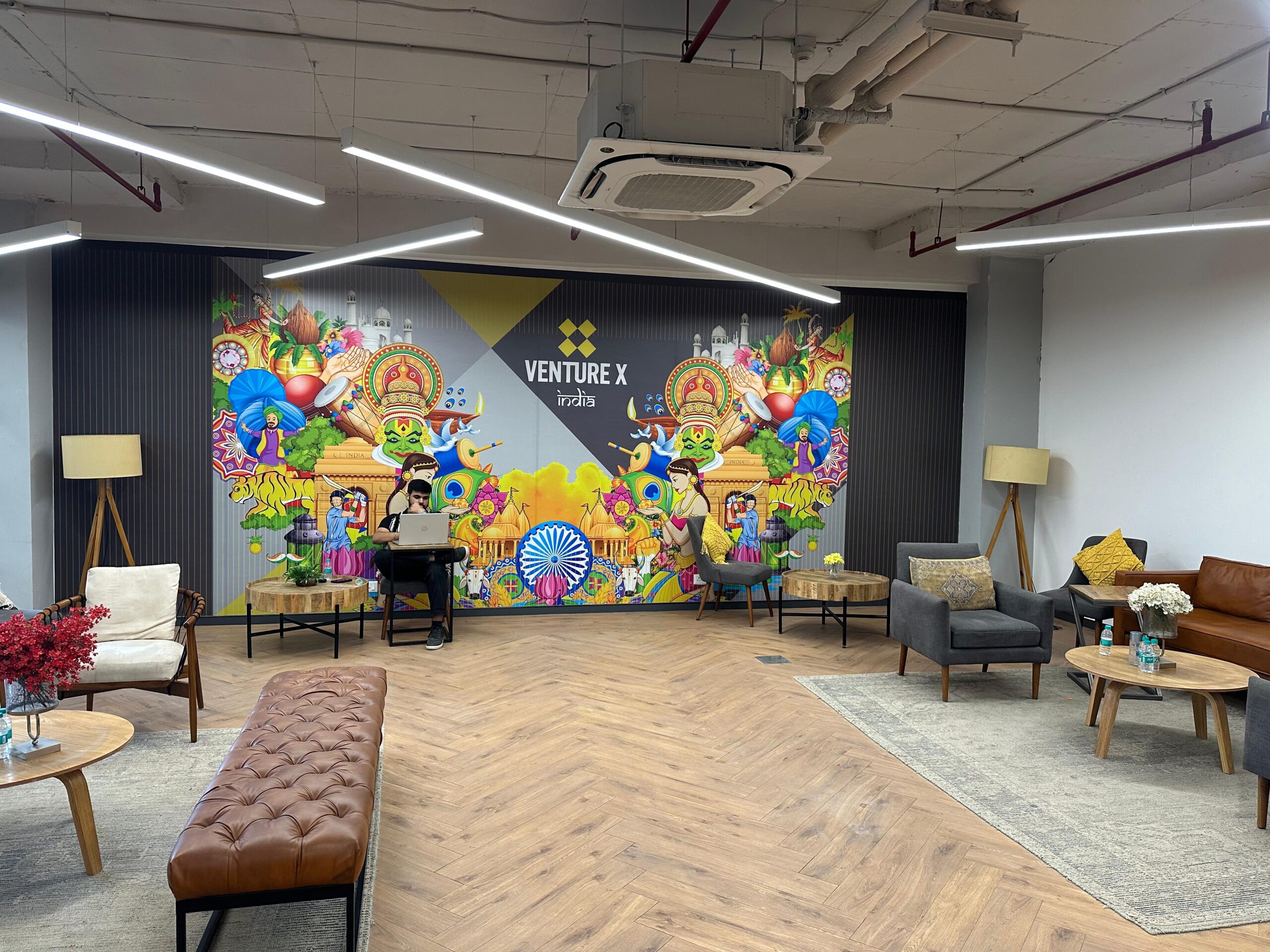
If the office is a destination, it must offer social value. The dominant aesthetic of 2026 is ‘resimercial’ — blending residential warmth with commercial functionality. This is not a passing trend; it is a direct response to a workforce that has spent years being productive in home environments and will not exchange that comfort for a sterile corporate box.
The traditional break room with its stained coffee pot is gone. The ‘Third Space’ kitchen is designed to feel like a premium neighbourhood café and serves as the social heart of the office. Features include barista-grade espresso equipment, premium single-origin bean selections, and during peak hours at the best locations, an on-site professional barista.
The layout matters as much as the equipment. Long communal tables and comfortable booths encourage spontaneous cross-departmental conversation, breaking down silos more effectively than any structured team-building session. For Gen Z employees who spent their early careers working from bedrooms, this physical social hub is often the single most compelling reason to make the commute.
The widespread pet adoption during the pandemic years has produced a workforce deeply bonded with their animals. A pet-friendly office policy is a genuine recruitment differentiator — but in 2026, it requires thoughtful management. Dedicated dog-free zones address the needs of employees with allergies or phobias. On-site relief areas with easy-clean surfaces and clear signage prevent the practical challenges that can turn a well-meaning policy into a source of friction.
When managed properly, pet-friendly environments measurably reduce workplace stress and encourage the short, regular breaks that research consistently shows improve afternoon productivity and reduce burnout risk.
Modern work is project-based and fluid. Fixed boardrooms are too formal for the creative sessions that drive genuine innovation. Modular-furniture collaboration lounges can be reconfigured in minutes — from a four-person deep-work cluster to a twenty-person town hall. Equipped with 360-degree cameras and spatial audio systems, these spaces ensure that remote participants feel genuinely present rather than a small face in a corner of a screen.

For Gen Z and Millennials, sustainability is a core value used to evaluate potential employers — not a marketing checkbox. The office is a physical expression of a company’s environmental commitment, and employees are paying close attention.
Single-use plastics and individually wrapped snacks are incompatible with the values of the 2026 workforce. High-end filtered water stations — providing chilled, sparkling, and ambient options — eliminate plastic bottles entirely. Bulk-dispensed snacks in refillable containers replace packaged alternatives. Prominently placed zero-waste stations with composting for organic waste and clearly labelled recycling streams make sustainable daily behaviour easy and visible.
LEED (Leadership in Energy and Environmental Design) and WELL Building Standard certifications are meaningful signals to talent who research their employers carefully. Top-tier workspaces also use low-VOC (volatile organic compound) materials throughout — furniture, paint, flooring — eliminating the ‘off-gassing’ that cheaper fit-outs produce. Furniture made from recycled ocean plastics or sustainably harvested timber communicates values through every surface employees touch.
The commute remains the biggest practical barrier to office attendance. The most successful offices in 2026 actively work to make that journey less painful — and, where possible, healthier.
As Indian urban centres expand cycling lanes and micro-mobility infrastructure, end-of-trip facilities have become a high-demand differentiator. This means hotel-quality shower suites with premium toiletries and towel service, and spacious locker rooms for changing. Critically, it also means secure, ventilated, monitored storage for bicycles and electric scooters — not an afterthought bike rack near the loading bay. Theft and damage are the primary deterrents to active commuting for younger employees, and addressing them directly makes cycling or scootering to work a genuinely viable daily habit.
As India’s transition to electric mobility accelerates, on-site EV charging has moved from a premium bonus to a baseline expectation for drivers in major metros. Level 2 and DC fast-charging stations effectively subsidise an employee’s daily commute cost in the form of energy — a concrete, quantifiable benefit. Forward-thinking offices complement this with real-time transit displays in lobbies and, in select locations, subsidised last-mile shuttle services from nearby metro or rail hubs.
The final layer of the 2026 amenity stack is invisible — the technology that makes the workspace continuously adapt to the people using it.
A smart office app gives employees direct control over their immediate environment — adjusting zone temperature, dimming the lights above their desk, or flagging a maintenance issue with a single tap. These apps also serve as active feedback channels, allowing employees to submit anonymous suggestions that enable the workspace to evolve in near real-time based on actual user experience rather than assumptions.
From a management perspective, the most valuable amenity is a space that continuously improves itself. Utilisation analytics reveal which features are being used heavily and which are sitting empty. If collaboration lounges are consistently overbooked while certain quiet zones go unused, the space can be reconfigured to match actual behaviour. This data-driven approach reframes the entire amenity investment: rather than a cost centre, it becomes a dynamic system that optimises itself around the people who use it — with ROI directly linked to improvements in attendance, engagement, and retention
The office of 2026 is no longer just a place to house desks and computers. It is a physical expression of organisational culture and a daily argument for why talented people should choose collaboration over isolation. The amenities that win this argument are not superficial perks — they are functional, values-aligned investments in the full human experience of work.
By focusing on what genuinely reduces friction — acoustic privacy, seamless technology, neurodiverse-friendly environments, social belonging, and a clean conscience about sustainability — employers transform the office from an obligation into a destination. The spaces that continue to listen to their users, iterating on real feedback and utilisation data, will remain destinations worth travelling to for years to come.
Whether you are a growing startup or an established enterprise, Venture X India’s design-led coworking spaces are built to meet this standard — and to raise it.
A: Focus on high-impact, low-cost improvements first: upgrade coffee and snack quality, add real plants for a biophilic effect, and implement a simple desk-booking app to eliminate office anxiety. Acoustic privacy can often be improved meaningfully through bookshelves and felt panels rather than purpose-built pods.
A: Gen Z views the office as a tool for professional growth and social connection. They are drawn to spaces that reflect their values — sustainability, inclusivity, neurodiversity support — and enable genuine mentorship through organic proximity. An office that feels outdated or ethically misaligned can be a straightforward deal-breaker.
A: Resimercial design is a permanent response to a permanent shift. A significant proportion of the workforce now has a lived benchmark for home-office comfort and functionality. The blend of residential warmth with professional utility is the new minimum standard for any office competing for in-person attendance.
A: The return is seen through higher employee retention, lower recruitment costs, and increased daily attendance. Utilisation analytics allow companies to track which features drive the most engagement, ensuring that the office investment directly improves human capital outcomes and justifies the cost of the lease.

Have questions? We’re here to help you find your perfect workspace at Venture X India. Drop us your details and we’ll get back to you shortly!